Newton Wood Flooring has spent more than 20 years on wood-flooring in Cambridge and the rest of the area, and one kind of job here asks for more planning than the floor itself. When the home is a deed-restricted affordable unit, the money spent on a new floor only comes back at resale if the work is done and documented the way the City expects.
That changes the order of a project. Before we talk species, width or sheen level, we ask whether your unit carries a resale restriction, what your restriction says about capital improvements, and whether the floor you want fits under the cap it sets. A beautiful floor that the formula will not credit is a gift to the next buyer.
This page walks through what the City’s rules say about flooring, what paperwork to keep from the first day, and the point at which it makes sense to call the City before anyone opens a box of boards. We are the flooring contractor in that picture, not the City, so where a rule needs interpreting, the answer comes from the City’s homeownership staff.
Flooring as a Capital Improvement in a Restricted Unit
More Than 500 Units With a Resale Formula
The City of Cambridge Community Development Department says there are more than 500 affordable homeownership units in Cambridge. Each one carries a restriction, and the resale price is calculated under the formula written into that restriction rather than by what the open market would pay.
For an owner, that formula is the whole reason flooring decisions matter. Money put into the unit is recovered at sale only where the restriction allows it, and the City’s guidelines describe which improvements can be added back. Reading your own restriction before the work starts is the cheapest step in the whole project.
What the City Means by a Permanent Fixture
The City defines a capital improvement as a permanent addition that enhances value and cannot be considered repairs or maintenance. Its guidelines then name our trade directly: the work must involve a permanent fixture in the unit, such as flooring or a light fixture, and not ordinary repairs.
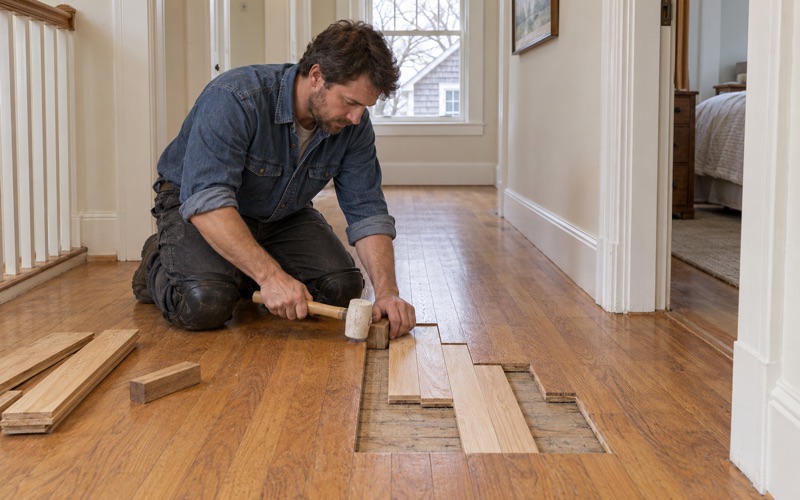
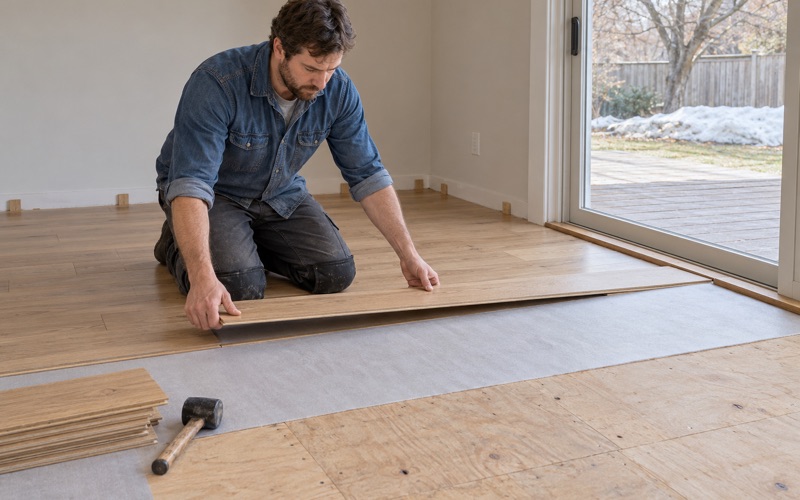
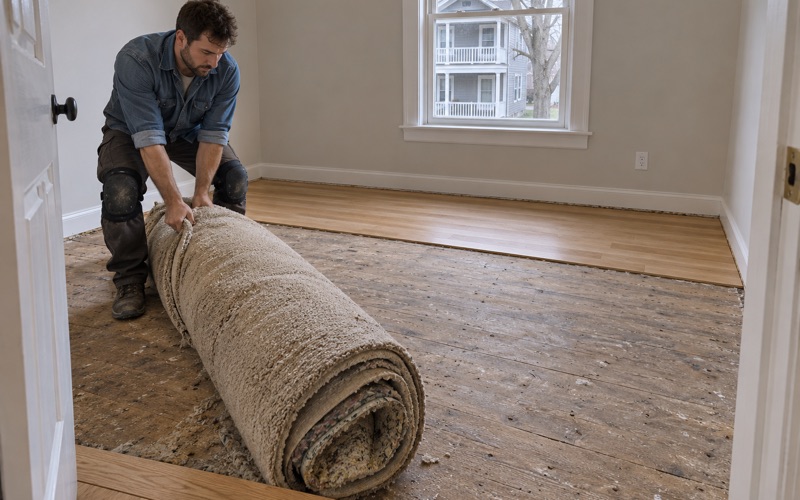
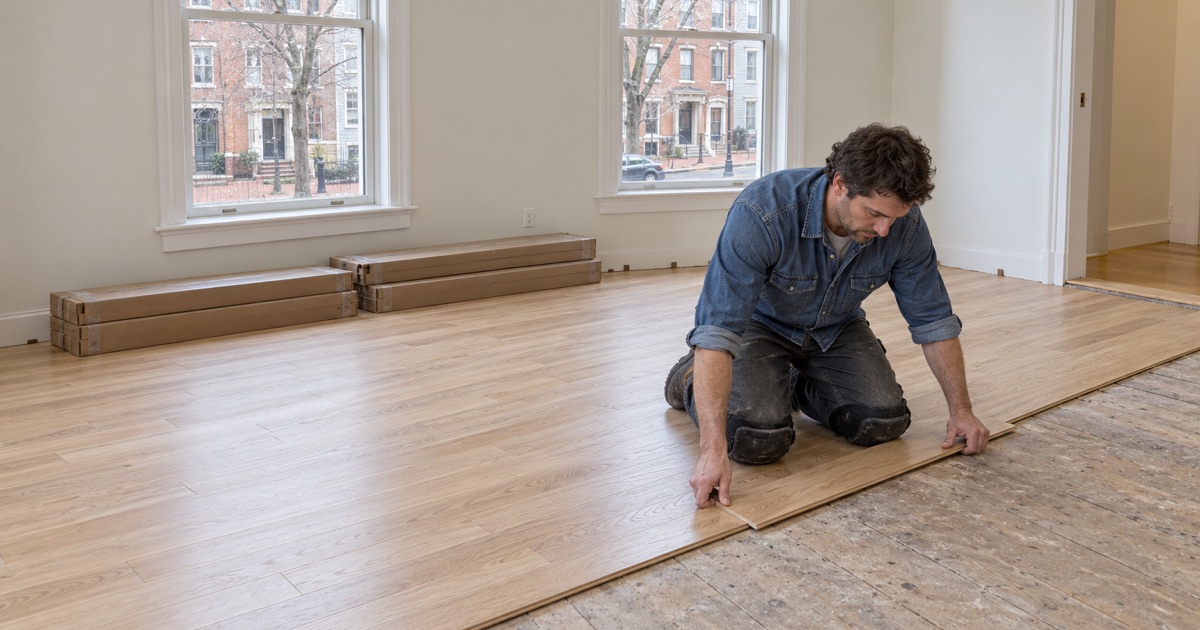
In practice, that points toward a new installed floor: solid hardwood nailed to the subfloor, or an engineered wear layer floor glued or floated over proper underlayment, replacing carpet, carpet pad and tack strip or a worn-out older surface. It is a permanent change to the unit, which is the language the guideline uses.
Where Refinishing and Small Repairs Sit
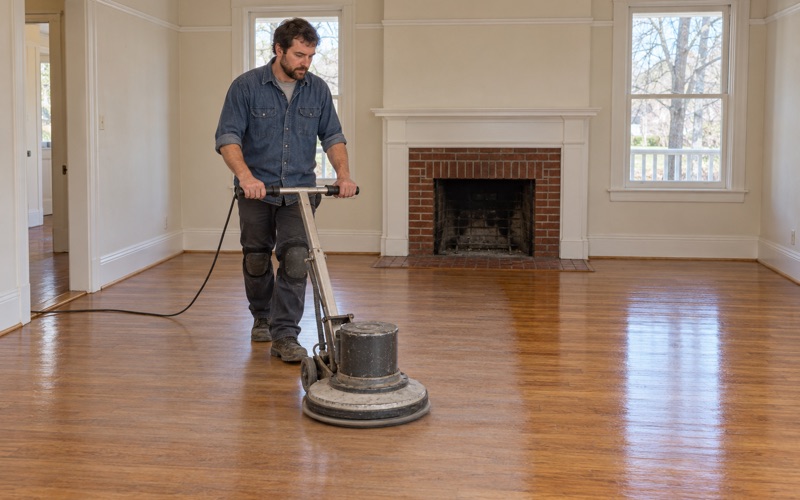
The City’s page does not say whether sanding and refinishing an existing floor counts as an improvement or as maintenance, and we will not guess for you. A screen and recoat to clear traffic lanes, or a board replacement over a few water stains, sounds a lot like ordinary repair.
If the plan is to bring back an original red oak strip floor rather than replace it, call the City’s homeownership staff at 617-349-4643 and ask how they would treat it before you count on any reimbursement. We will still do the work the floor needs; the question is only who ends up paying for it.
Looking for wood-flooring closer to Forest Hills? See Wood-Flooring in Forest Hills.
Receipts, Inspection and the One Percent Cap
Keep Original Receipts From the First Delivery
The City requires original receipts for all labor and materials. On a flooring job that means our signed invoice for installation, the material invoice for the boards, and receipts for underlayment, vapor retarder, reducers, thresholds and quarter round if you bought any of them yourself.
We itemize our invoices so labor and materials are separated and the unit address is on every page. Put the originals in a folder with your restriction, not in a kitchen drawer. A resale can be many years away, and a lost receipt is money the formula cannot credit.
The City Inspects Before It Reimburses
Prior to reimbursement, the City inspects capital improvements. A floor that will be looked at years later needs to be installed so it still reads as sound work: proper acclimation, a correct expansion gap at the walls, flooring cleats at the right spacing, and transitions that sit flat.
We photograph each stage, from the bare subfloor to the last coat of finish, and hand the photos over with the invoice. That record does not replace the City’s inspection, but it shows what is under the boards that an inspector cannot see once the room is furnished.
How the Cap Works
Most restrictions cap the capital improvements eligible for reimbursement, and the most common cap is 1 percent of the purchase price of the unit, in aggregate. Not every restriction is written the same way, so the number that governs your unit is the one in your own document.
In aggregate means the cap covers everything together, not each project. A new kitchen light fixture and a new living room floor draw on the same allowance. When we price a floor for a restricted unit, we quote it so you can see how much of that allowance it would use before you sign anything.
Depreciation Over the Floor’s Useful Life
If some time passes between the improvement and the sale, the City depreciates it based on the useful life of the improvement. A floor installed many years before you sell will not be credited at its original price.
That is one more reason to choose a floor that holds up. A harder species with a good Janka hardness, a site-finished surface with a durable waterborne polyurethane, and furniture pads from day one all help the floor look like an improvement rather than a worn surface when the City comes to look.
Calling the City Before the Work Starts
When a Floor Pushes Past the Cap
The cap can be exceeded in exceptional circumstances, but only with prior approval. The City’s rule is that you must inform it before completing the work and apply for a capital improvement waiver. After the floor is down, that door is closed.
If a whole-unit installation would run past your cap, we can split the quote by room so you can see what fits inside it and what would need the waiver. Then you call the City with real numbers rather than a rough guess, and we schedule nothing until you have the answer.
Why Your Own Labor Does Not Count
Work completed by the homeowner is not eligible for reimbursement for labor costs. An owner who installs a floor over a few weekends saves money today but recovers only the materials at resale, and only with receipts.
Hired labor, invoiced and paid, is what the formula can credit. That is not an argument against doing your own work; it is the math an owner in a restricted unit should run first. The labor on a floor is often a large share of the price, and that share is the part the City will not add back.
Floors in the Common Areas of a Restricted Condominium
The City says improvements to the common elements of condominiums may be eligible for reimbursement. A hallway or stair shared by several units is a different job from your own living room, and it runs through the association before it runs through us.
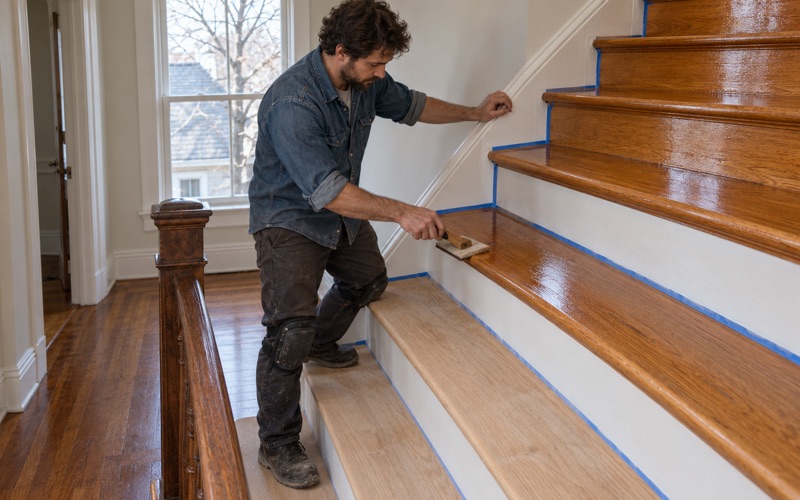
For common stairs we quote stair treads, stair risers and stair nosing tread by tread, and we keep the association’s records separate from any one owner’s. Whether your share of that work counts toward your own cap is a question for the City, asked before the association votes on it.
What Changes About the Work in Cambridge
Older Buildings Under the New Floor
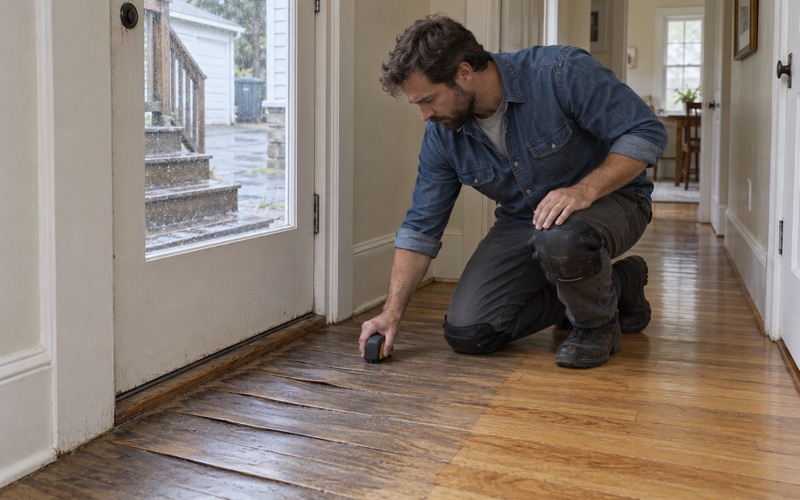
Of Cambridge’s 54,840 housing units, 25,767 were built in 1939 or earlier, about 47.0 percent. A new floor in a building that old often goes down over a subfloor with patches, old cut nails, and joists that have settled, and some of that must be corrected before any new tongue and groove can lie flat.
We check the build year and any painted surfaces before we sand or tear anything out, because Massachusetts runs its own lead-safe renovation rules for homes built before 1978. If old resilient tile and black mastic turn up under the carpet, we stop and leave it to the right trade.
Working Hours Around the Neighbors
Cambridge does not allow construction noise audible 50 feet from the lot line from 6 p.m. until 7 a.m. on weekdays, or until 9 a.m. on Saturdays and holidays. Sunday construction needs Police Department approval. A drum sander and a nail gun both qualify, so our days in a unit start and end inside those hours.
We also use dustless sanding with a HEPA vacuum on the machines, which matters in a building where the next unit shares a wall and a stairwell. Your neighbors should hear us during working hours and never find our dust on their side of the door.
A Renter City With Shared Walls
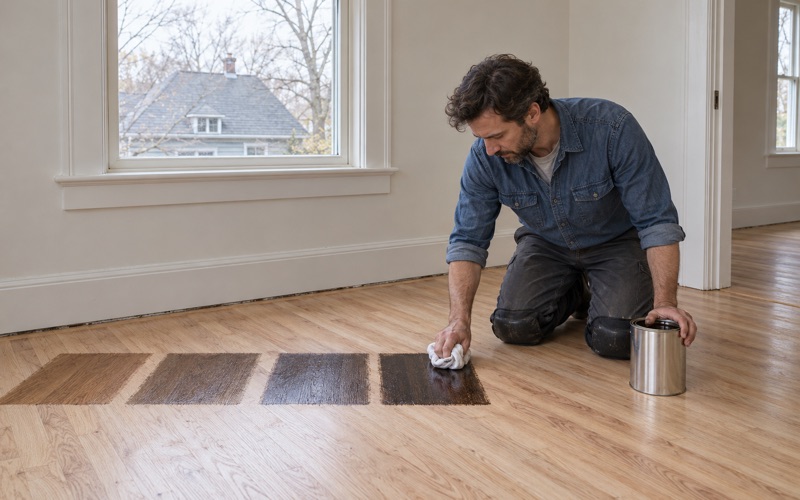
About 66.5 percent of Cambridge households rent, so a restricted ownership unit often sits beside rented ones. We confirm building rules, elevator reservations and delivery times with the association or manager before scheduling, and we lay stain samples on your own floor in your own light before a color is chosen.
The practical result is a project with fewer surprises: a floor quoted against your cap, receipts and photos in a folder, a waiver asked for before work if it is needed, and an installation the City can inspect years from now and recognize as a real improvement.
- 20+ Years on Wood Floors
- Stairs Quoted Tread by Tread
- Lead Checks Before Sanding